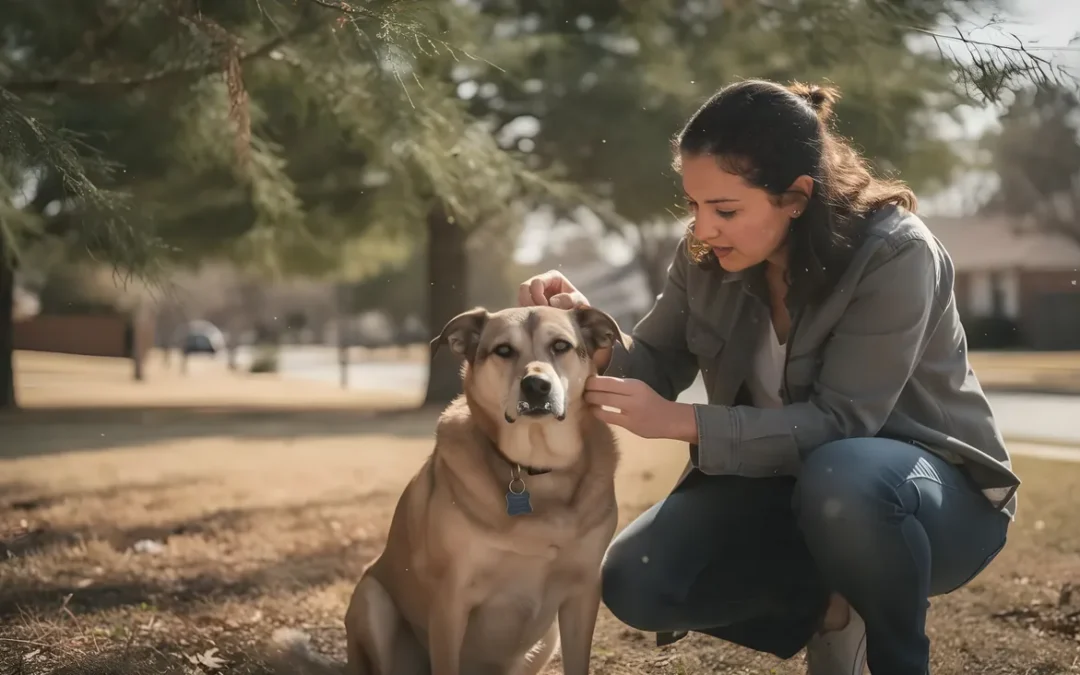
Yes, your dog can get cedar fever. The same mountain cedar pollen that has San Antonio residents miserable every December through February also affects dogs, cats, and other household pets. The culprit is Ashe juniper (Juniperus ashei), the tree locals call mountain cedar, which blankets the Texas Hill Country and releases pollen in massive quantities each winter. The reaction looks different in dogs, though: they do not sneeze and reach for tissues. Their symptoms are almost entirely skin-based, showing up as intense itching, paw-chewing, and skin irritation rather than the congestion and runny eyes you are dealing with yourself. KSAT confirmed in December 2025 that dogs and cats are indeed susceptible to mountain cedar pollen, reporting on local veterinary input from the San Antonio area. If your dog has been scratching more than usual this winter, cedar pollen is worth considering.
What Mountain Cedar Does to Dogs (and Why San Antonio Gets It Hard)
Mountain cedar is technically not a cedar at all. Botanically, it is Ashe juniper (Juniperus ashei), a species native to the Texas Hill Country. Approximately 8.6 million acres of Ashe juniper cover the Hill Country, according to Texas A&M research. When cold fronts push down from the northwest in December and January, those fronts carry a tide of cedar pollen out of the Hill Country groves and straight into the San Antonio metro. Bexar County sits directly in the path.
During a typical cedar pollen season, counts in San Antonio reach 20,000 to 32,000 grains per cubic meter, among the highest recorded anywhere in the country for any pollen type. The worst recent season hit 48,000 grains per cubic meter in 2011. By comparison, 2025 was the mildest cedar season on record for San Antonio, with the peak barely touching 4,700 grains per cubic meter. Owners who made it through 2025 without noticing much should not assume that represents a typical year. The 2026 January readings of 9,000 to 12,000 grains per cubic meter gave a more accurate picture of what a normal season brings.
The reason dogs suffer specifically comes down to fur. A dog’s coat acts as a pollen trap on every outdoor walk, collecting cedar particles across the entire coat during a single outing. The dog then walks inside and distributes that pollen load onto carpets, upholstery, and bedding, continuing to expose itself even indoors. This pattern also extends cedar season for human household members: pets significantly amplify indoor allergen levels during peak pollen periods. The dog is not just suffering from mountain cedar; it is also making your own exposure worse by bringing the season inside with it.
“Cedar fever” is not a real fever in the medical sense. Body temperature rarely rises. It is simply the regional name for the allergic response to Ashe juniper pollen, and it fits: the reaction is real, it is seasonal, and in San Antonio, it is hard to avoid.
Signs Your Dog Is Reacting to Cedar Pollen
Your dog will not look like you do during cedar season. Most owners associate cedar fever with congestion, watery eyes, and general misery. Dogs experience the allergic response through their skin, a condition veterinarians call atopic dermatitis. Owners who are sneezing and congested may not connect their dog’s itching and paw-chewing to the same seasonal cause.
Secondary Infection Risk
Dogs that scratch persistently eventually break the skin. Broken skin is an open door for Staphylococcus bacteria and Malassezia yeast, both of which thrive on compromised skin and make the itch worse, driving more scratching. By the time that cycle is established, treatment involves prescription antibiotics or antifungals and several weeks of recovery.
Catching cedar allergy symptoms in the first week or two means the difference between managing discomfort and treating an infection. If you notice persistent scratching, start the paw-wipe and bathing routine now rather than after the skin is already compromised.
Can dogs get cedar fever? Dogs and cats develop allergic reactions to mountain cedar pollen, just as humans do. The reaction manifests as atopic dermatitis: skin-based inflammation triggered by environmental allergen exposure. Texas veterinarians identify Ashe juniper as one of the primary environmental allergens affecting dogs in the San Antonio region during the December-through-February cedar pollen season.
The primary signs of cedar allergy in dogs are skin-based:
- Intense scratching, especially around the face, ears, and armpits
- Paw-licking or chewing, often starting within minutes of coming inside from a walk
- Redness or inflammation on the belly, groin, and paws
- Rubbing the face along furniture or the floor
- Ear irritation, including head-shaking or scratching at the ear flaps
Secondary symptoms can include watery eyes, occasional sneezing, and nasal discharge, but these are less common than in humans and should not be expected as the primary sign of cedar allergy. If your dog is not sneezing, that does not mean cedar is not affecting them.
How Cedar Fever Symptoms Differ: Dogs vs. Humans
| Symptom | Humans | Dogs |
|---|---|---|
| Congestion / runny nose | Primary | Rare |
| Watery eyes | Primary | Occasional |
| Sneezing | Primary | Occasional |
| Skin itching | Occasional | Primary |
| Paw-chewing | Rare | Primary |
| Ear inflammation | Rare | Common |
| Face rubbing on surfaces | Rare | Common |
The secondary infection risk is where owners often get caught off guard. Dogs that scratch persistently eventually break the skin open, and broken skin becomes infected skin. Staphylococcus bacteria and Malassezia yeast both colonize compromised skin readily and intensify the itch, which intensifies the scratching, which worsens the infection. By the time a secondary bacterial or yeast infection has taken hold, you are looking at prescription treatment and a multi-week recovery rather than a few weeks of extra baths. Catching the symptoms early is the difference between managing an uncomfortable cedar season and treating an infected one.
How Long Does Cedar Pollen Season Last in San Antonio?
Mountain cedar begins releasing pollen in mid-to-late December, peaks in January, and tapers through February. The worst days often correspond to cold front passages, when northwesterly winds push the pollen load from the Texas Hill Country south into Bexar County.
Year-to-year severity varies considerably. The 2025 season was the mildest on record, so owners who experienced it may have a skewed sense of what a normal December and January actually feel like. A more typical season brings repeated high-count days throughout January and into early February. The 2026 season was closer to the historical norm.
Cedar pollen season falls squarely over the holidays, which matters practically: when your dog needs daily walks and care during the heaviest pollen weeks of the year, that is also when regular schedules are most disrupted. The San Antonio area’s daily mountain cedar readings fluctuate significantly, so checking local weather reports before deciding how long to walk or whether to skip outdoor time is a reasonable habit to build.
The Post-Walk Routine That Reduces Cedar Pollen Exposure
Managing cedar season for a dog comes down to consistent habits at the door. Our team of professional dog walkers and pet sitters has settled into a routine across dozens of cedar seasons working with San Antonio dogs, and the steps that actually make a difference are straightforward.
Cedar Season Door Checklist
01
Wipe all four paws with a damp cloth or pet-safe wipe before the dog settles inside.
02
Brush outside or on the porch before coming in to knock loose pollen from the coat.
03
Keep windows closed on high-count days. Check KSAT’s daily mountain cedar count first.
04
Bathe weekly during peak cedar months using a gentle, hypoallergenic shampoo.
Wipe paws after every outdoor outing. Paws pick up pollen from every patch of grass and every stretch of pavement on a walk. A damp cloth or pet-safe wipe run over all four paws at the door before the dog settles inside removes the contact pollen that drives paw-chewing behavior. For dogs already showing signs of cedar allergy irritation, this step alone can reduce the urge to chew immediately after coming indoors.
Bathe every one to two weeks during cedar season. A weekly or bi-weekly bath with a gentle, hypoallergenic shampoo removes the mountain cedar pollen load the coat has accumulated. This benefits both the dog’s comfort and the household’s indoor air quality. The concern about bathing too often comes from harsh shampoos stripping the skin’s natural moisture barrier. With the right gentle shampoo, weekly baths during peak cedar months are appropriate and widely recommended by Texas-area vets and pet care professionals.
Brush outside before coming indoors. A quick brushing session in the yard or on the porch knocks loose cedar pollen from the coat before it gets distributed inside the house. This takes two minutes and meaningfully reduces how much pollen your dog tracks onto the furniture and floor.
Keep windows closed on high-pollen days. Indoor air quality during cedar pollen season improves when windows stay shut during peak-count periods. HEPA air filtration helps capture airborne particles when the outdoor counts climb. Checking KSAT’s daily mountain cedar count before deciding whether to air out the house gives you a data point instead of a guess.
If your dog enjoys outdoor time at San Antonio’s dog parks or off-leash areas, pollen exposure during January and early February is highest during and after cold fronts. The post-walk routine becomes especially important on those high-count days.
When to Call the Vet Instead of Waiting It Out
Mild scratching with no other symptoms is manageable at home with the bathing and paw-wipe routine. The line between “manageable” and “needs a vet” is worth knowing clearly.
Quick-Reference: Call Your Vet If You See This
- Scratching that interrupts sleep or rest
- Redness, open sores, raw patches, or visible hair loss where the dog has been scratching
- Foul or musty odor around the skin or ears (signals bacterial or yeast infection)
- Eye discharge that does not clear within a day or two
- Coughing or wheezing that persists beyond a couple of days
The secondary infection threshold is the one to act on quickly. Once Staphylococcus or Malassezia takes hold in skin compromised by scratching, the infection intensifies the itch, which intensifies the scratching. Breaking that cycle requires prescription treatment, whether antibiotics, antifungals, or medicated shampoos. Waiting until the scratching looks “really bad” typically means waiting until a secondary infection is already established.
Vets have prescription options that can provide meaningful relief for dogs with significant seasonal allergies. For dogs with recurring cedar season problems, an allergy diagnostic can identify the specific triggers and inform a more targeted treatment plan. Your vet is the right source for treatment decisions; this post is a starting point for knowing when to make that call.
Cedar pollen season is predictable. It starts mid-December, peaks in January, and tails off through February. Owners who know what to watch for and have a simple routine in place are already ahead of it.
How a Professional Dog Walker Fits Into Cedar Pollen Season
A professional dog walker visiting your dog daily during cedar season sees patterns that a busy owner often misses. Cathy’s Critter Care has been walking San Antonio dogs through cedar pollen season since 1998, and the early signs of a reaction are something you learn to spot: paws that look slightly pink after a January walk, a dog that starts chewing its feet immediately after coming inside, ears that get a little more head-shaking than usual. An owner who is at work during walk times may not notice the first week of those changes.
Looking for professional dog walking in San Antonio during cedar season? Call (210) 864-6189 or visit the dog walking page to set up service with Cathy’s Critter Care.
Our dog walkers handle paw wiping as part of every visit during cedar season. The dog does not track mountain cedar pollen inside after a walk, and the person handling the dog is watching for exactly the early symptoms described above. If something changes, the owner hears about it the same day. That head start matters: catching a cedar fever reaction in week one is considerably easier than managing a secondary infection in week three.
Cathy’s Critter Care is a background-checked, bonded, and insured team of 20 neighborhood-based walkers and pet sitters covering the full San Antonio metro, including neighborhoods in Alamo Heights, Stone Oak, Schertz, and New Braunfels, as well as Converse, Cibolo, Seguin, and Universal City. Cedar pollen season runs the same across all of Bexar County and the surrounding region. Our 365-day availability means there is no coverage gap during the holidays, when cedar season is often at its worst.
After 26 years of providing pet sitting and dog walking services in San Antonio through every cedar season the city has had, we know what a high-count January looks like from the dog’s perspective. That local, repeated experience is what gives the early-observer role its value.
Cedar Season Dog Care FAQ
Q: Can dogs get cedar fever in Texas?
A: Yes. Dogs and cats react to the same Ashe juniper pollen responsible for cedar fever in humans. Texas veterinarians specifically identify mountain cedar as one of the primary environmental allergens affecting dogs in the San Antonio and Hill Country region. The reaction looks different than in humans: dogs primarily show skin symptoms (itching, paw-chewing, skin redness) consistent with atopic dermatitis, rather than the congestion and sneezing typical of human cedar fever. KSAT reported in December 2025, drawing on local veterinary input, that pets in San Antonio are susceptible to mountain cedar pollen.
Q: What are the first signs of cedar fever in a dog?
A: Watch the paws and ears first. Most dogs begin showing cedar allergy with increased paw-licking or chewing shortly after coming indoors from a walk, along with more scratching than usual around the face, ears, and belly. You may also notice your dog rubbing its face along furniture or the carpet. Pink or mildly inflamed paw pads after outdoor time are another early tell. These signs often start subtly and build across the first few weeks of cedar pollen season.
Q: How long does cedar fever last in San Antonio?
A: Mountain cedar season in San Antonio typically runs from mid-December through late February, with the heaviest pollen days concentrated in January. The intensity varies from year to year. The 2025 season was the mildest on record; a more typical January brings pollen readings of 20,000 to 32,000 grains per cubic meter. KSAT tracks daily mountain cedar counts throughout the season, which gives owners a practical way to gauge how cautious to be about outdoor time on any given day.
Q: Is bathing my dog too often bad during cedar season?
A: Not when you use the right shampoo. Weekly baths with a gentle, hypoallergenic formula are an accepted and recommended practice during peak cedar months. Bathing removes mountain cedar pollen from the coat, reducing the dog’s ongoing exposure and lowering indoor pollen levels for the whole household. The risk of over-bathing comes specifically from harsh shampoos that strip the skin’s natural oils, not from the frequency of bathing when you use a gentle product. One bath a week during January and February is appropriate for most dogs.
Q: Does cedar pollen affect dogs that stay inside most of the day?
A: Mostly-indoor dogs have lower exposure, but they are not fully shielded. Mountain cedar pollen enters the home on shoes, clothing, and the fur of dogs that do go outside briefly. Once inside, pollen settles into carpets, upholstery, and bedding. A dog that spends most of its time indoors can still accumulate meaningful exposure through contact with pollen-laden textiles, particularly during peak-count weeks in January.
Cedar pollen season is a known, annual event in San Antonio, and dogs with attentive owners get through it better than dogs whose scratching goes unnoticed until a secondary infection has developed. A simple routine at the door and a weekly bath make a real difference. If your dog needs regular walks during cedar season and you want a professional pet sitter or dog walker watching for early symptoms, Cathy’s Critter Care is available 365 days a year across the San Antonio metro. Call us at (210) 864-6189 or visit our dog walking page to set up service.
